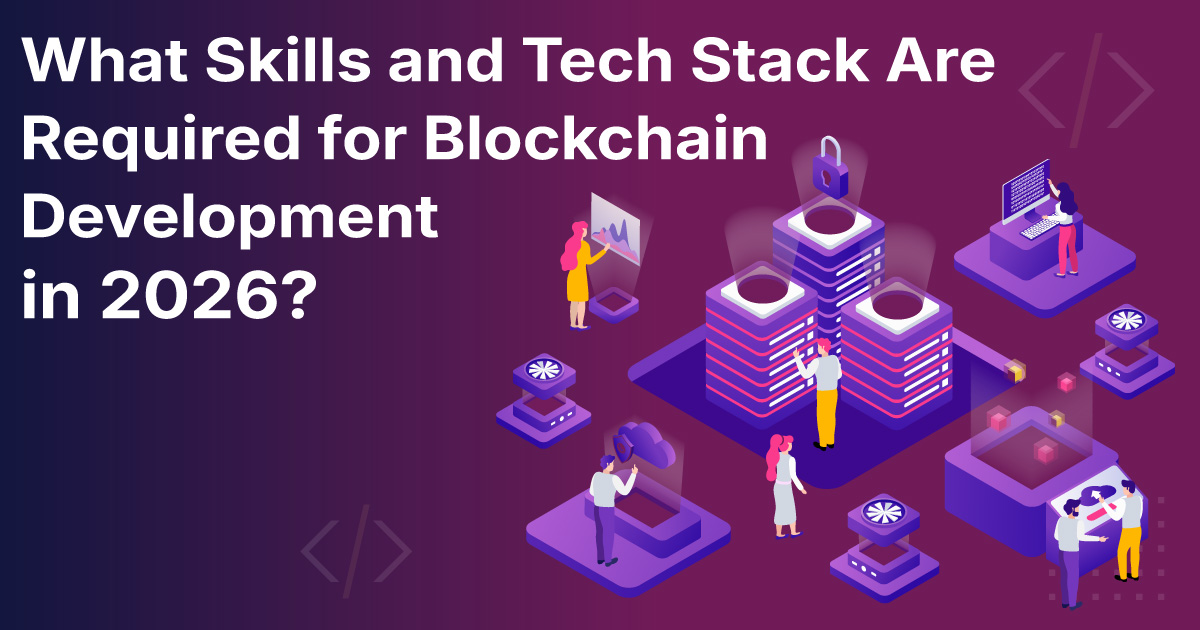
Firms seeking to hire blockchain developers can no longer be out seeking crypto enthusiasts and hobbyist coders. Rather, their market is frantically recruiting Decentralized Systems Engineers – people with both high-level reasoning and low-level knowledge of distributed systems. The stakes are never higher than they are now with the tokenization of Real-World Assets (RWAs) such as real estate and treasury bonds reaching an all-time high
Author Archives: Ashish Sood
8 Best EdTech Tools for Teachers in 2026 (Free + Paid)
Teaching in 2026 looks a lot different from it did a few years ago, thanks to the rapid growth of EdTech tools. Whether you’re managing lessons, tracking student progress, or trying to make classes more engaging, there’s a tool out there to help. In this list, we’ve picked some of the best EdTech tools that teachers can start using right away.
PMP training equips mid-career professionals for leadership roles in project management.
oday’s business environment demands more than mere tenure in positions; success now hinges on showcasing effective leadership skills, adeptness at managing projects, and achieving tangible outcomes.
Accessible Learning Materials: Building Inclusive Educational Resources
When educational content is not designed with accessibility in mind, students in universities and higher education institutions may struggle to engage fully with lectures, assessments, research materials, and digital learning resources. This is why universities, colleges, and higher education institutions must prioritize accessibility—not only to meet legal and accreditation requirements, but also as part of their ethical responsibility to ensure equitable access to education.
How Can EdTech Improve Assessment Validity and Reliability?
In classrooms today, technology is no longer just a support tool; it is transforming how teachers teach and how students learn. One of the most meaningful ways EdTech is driving change is in the area of student assessments. By improving both validity (how well a test measures what it is supposed to measure) and reliability (how consistent and fair the results are), EdTech and artificial intelligence are helping schools create fairer, more meaningful evaluations.
Why the PUC Science Stream Is an Ideal Foundation for Medical and Allied Health Careers
Students get confused on deciding which academic path to consider after completing higher secondary schooling. In fact, this is the most crucial decision in every student’s life. However, those interested in following a career in the healthcare sector then choose the PUC science is an ideal option. Moreover, a science course gives a strong foundation to follow diverse career paths with endless possibilities.
Education Meets Innovation: AI for Smarter Systems
AI is transforming education by making learning smarter, personalized, and more efficient. From automating campus operations to tailoring lessons, AI reduces administrative workload, enhances engagement, and supports data-driven decisions. Tools like AI-powered campus and student management systems streamline tasks, track progress, and improve collaboration. With features like predictive analytics, chatbots, smart security, and energy optimization, AI builds connected, future-ready schools that prepare students for global opportunities while making education more impactful and enjoyable.
Digital Infrastructure for Higher Education Institutions: Building Resilience and Equity
In today’s educational paradigm, digital infrastructure has transformed into a complete backbone of academic delivery, research, and administration. Robust infrastructures at higher educational institutions ensure scalability, seamless accessibility, and equitable learning experiences for their students. The article takes a deeper investigation into the strategic importance of digital infrastructure for higher education institutions, cloud adoption, open platform, digital transformation frameworks, cybersecurity, and global initiatives. It concludes with practical recommendations to institutions that aspire to modernize and remain competitive in an increasingly digital-first world.
The Rise of Hybrid Learning Models:
As education continues to evolve, hybrid learning models have gained significant traction, offering a blend of traditional in-person instruction and flexible online components. Tech jumps & the world need for more free, one’s own, & open-to-all school zones make this grow.
Top 5 EdTech that Will Change the Way Students Learn in 2025
The accelerated advancement of educational technology (EdTech) is anticipated to significantly enhance the accessibility, adaptability, and interactivity of education by 2025. These innovations are revolutionizing the way and location in which students learn, from AI-powered learning aids to immersive virtual classrooms. Learning can occur at any time and in any location as long as there is internet connectivity. In this article, we examine the top five EdTech solutions that are on the brink of revolutionizing student learning in 2025. We provide a comprehensive examination of how these tools are transforming the educational landscape and preparing students for a more connected, technology-driven world.
 Online Education and EdTech