
Creating engaging, curriculum-aligned lesson plans is one of the most time-consuming parts of a teacher’s job. Fortunately, AI tools integrated into student management system software are now available to help educators streamline this process. These platforms can suggest lesson outlines, recommend grade-appropriate content, and align activities with national or state standards.

For example, some AI systems can analyze the subject and grade level, then automatically generate interactive lessons, quizzes, and assignments tailored to student skill levels. They also offer multimedia resources videos, infographics, simulations so teachers can diversify how they present topics.
Rather than starting from scratch every time, educators can now modify AI-generated plans, saving hours each week while still ensuring instructional quality.
- AI-Powered Lesson Planning Tools
Creating engaging, curriculum-aligned lesson plans is one of the most time-consuming parts of a teacher’s job. Fortunately, AI tools are now available to help educators streamline this process. These platforms can suggest lesson outlines, recommend grade-appropriate content, and align activities with national or state standards.
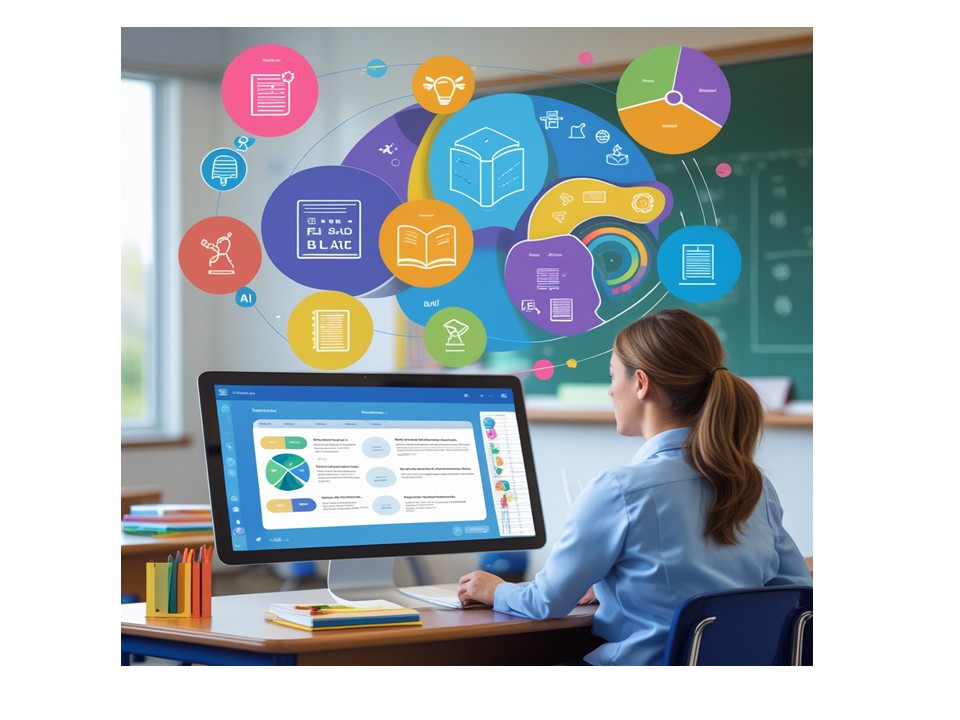
For example, some AI systems can analyze the subject and grade level, then automatically generate interactive lessons, quizzes, and assignments tailored to student skill levels. They also offer multimedia resources videos, infographics, simulations so teachers can diversify how they present topics.
Rather than starting from scratch every time, educators can now modify AI-generated plans, saving hours each week while still ensuring instructional quality.
2. Automated Grading and Feedback Systems
Grading assignments and providing meaningful feedback is essential, but it’s also one of the biggest drains on teachers’ time. AI-powered grading tools are designed to take the burden off educators by automatically scoring objective questions and offering suggestions for open-ended responses.
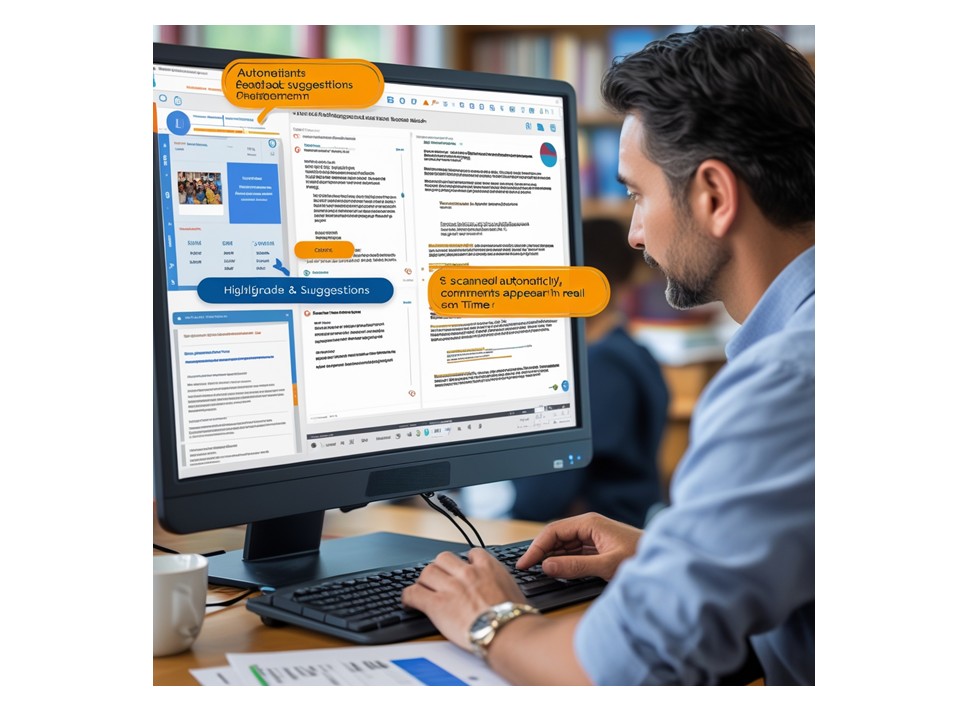
These systems use natural language processing to understand student writing and can provide instant, constructive comments. For subjects like math or science, AI tools can check calculations and reasoning steps, not just final answers.
By automating repetitive grading tasks, teachers can redirect their time toward analyzing trends in student performance and providing more targeted support where it’s needed.
3. Intelligent Classroom Management Assistants
Managing classroom dynamics requires constant attention. AI tools are stepping in to help monitor participation, engagement, and even emotional tone in real-time. These assistants track which students are contributing, who might be falling behind, and what topics generate the most interest or confusion.
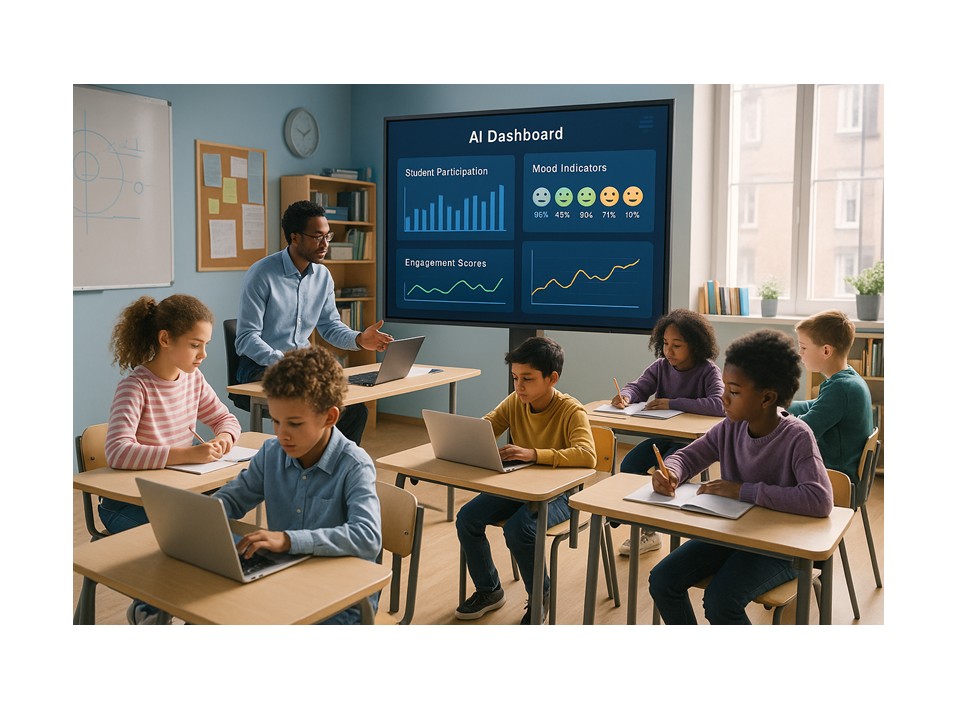
Some platforms integrate with virtual learning environments to generate class summaries and participation reports automatically. Others use sentiment analysis to detect changes in student mood, helping teachers identify disengaged or distressed students earlier.
This kind of insight enables teachers to make data-driven decisions about their instruction, tailor interventions, and maintain a healthier classroom atmosphere all without needing to keep tabs on every detail themselves.
4. Smart Communication Tools for Families
Keeping parents informed and involved is key to student success, but writing personalized updates and managing communication channels can be a huge task. AI-powered tools are making it easier to maintain regular, meaningful contact with families.
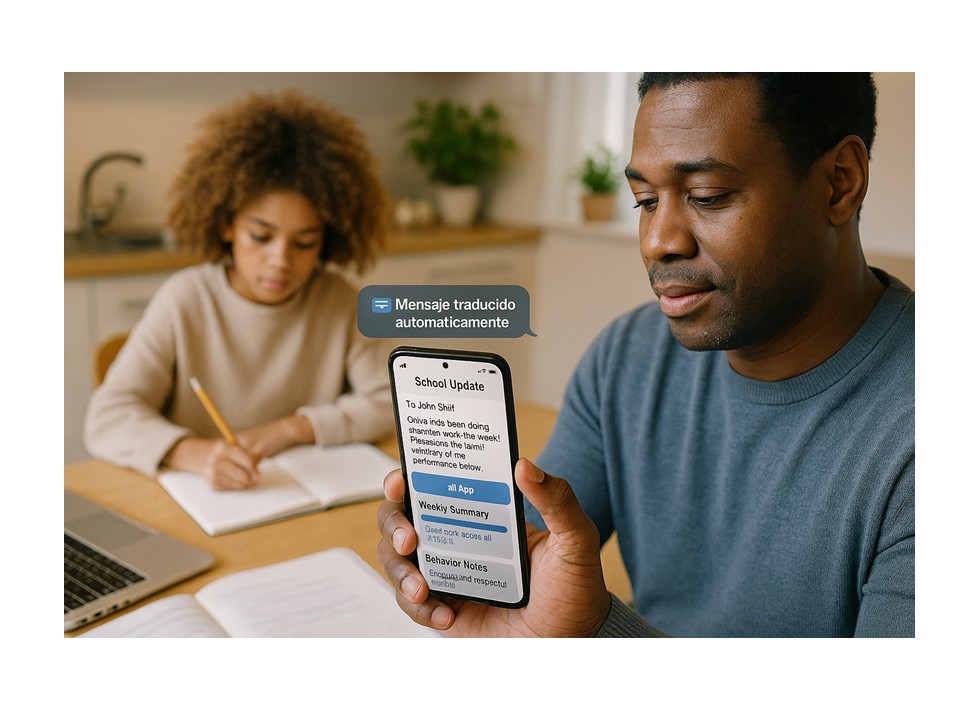
These systems can automatically generate weekly summaries, translate messages into different languages, and customize notifications based on student progress. If a student misses assignments or improves performance, families can receive alerts without the teacher lifting a finger.
By automating routine communication, educators can foster stronger home-school partnerships and keep parents engaged without spending evenings sending emails.
5. Personalized Learning PathwaysEvery student learns differently and AI makes it easier to honor that truth. Adaptive learning platforms, often built into a modern campus management system, use AI to assess a student’s strengths, weaknesses, and pace, then adjust the curriculum in real-time. This ensures each learner gets the right content at the right time.
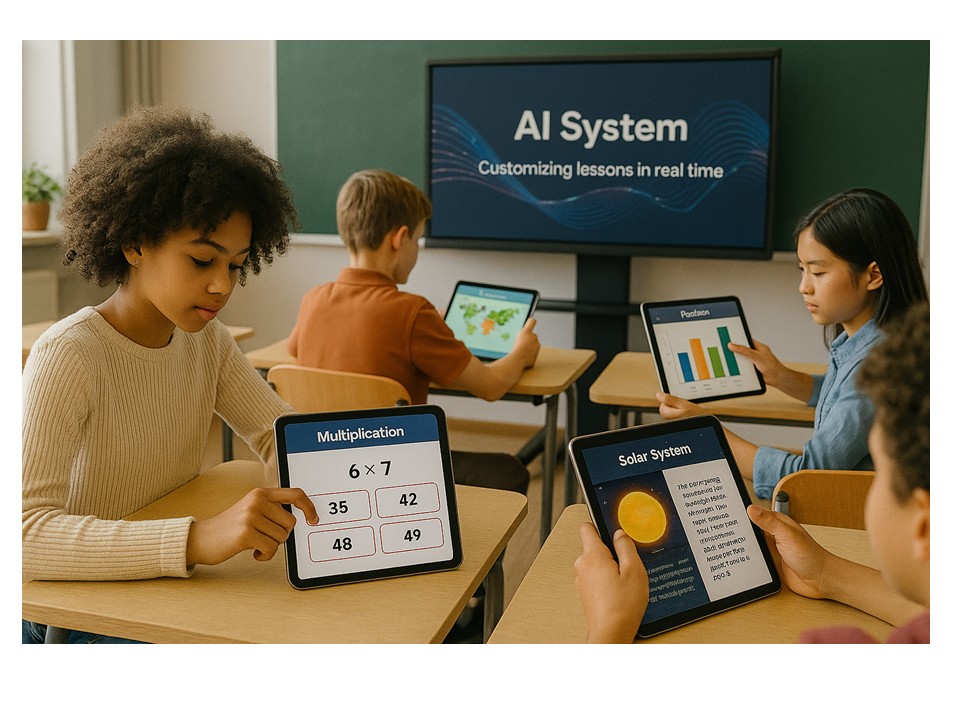
Instead of assigning the same material to everyone, teachers can rely on these systems to create custom pathways. Whether it’s extra practice in reading, enrichment in math, or tailored vocabulary exercises, AI ensures students are challenged appropriately.
This not only improves learning outcomes but also frees up educators to focus on mentoring and one-on-one support rather than micromanaging every individual learning track.
Conclusion
AI isn’t a replacement for teachers, it’s a partner that supports them in being more efficient, insightful, and impactful. From planning lessons and grading to managing classrooms and communicating with families, AI tools are already saving educators hours of work each week.
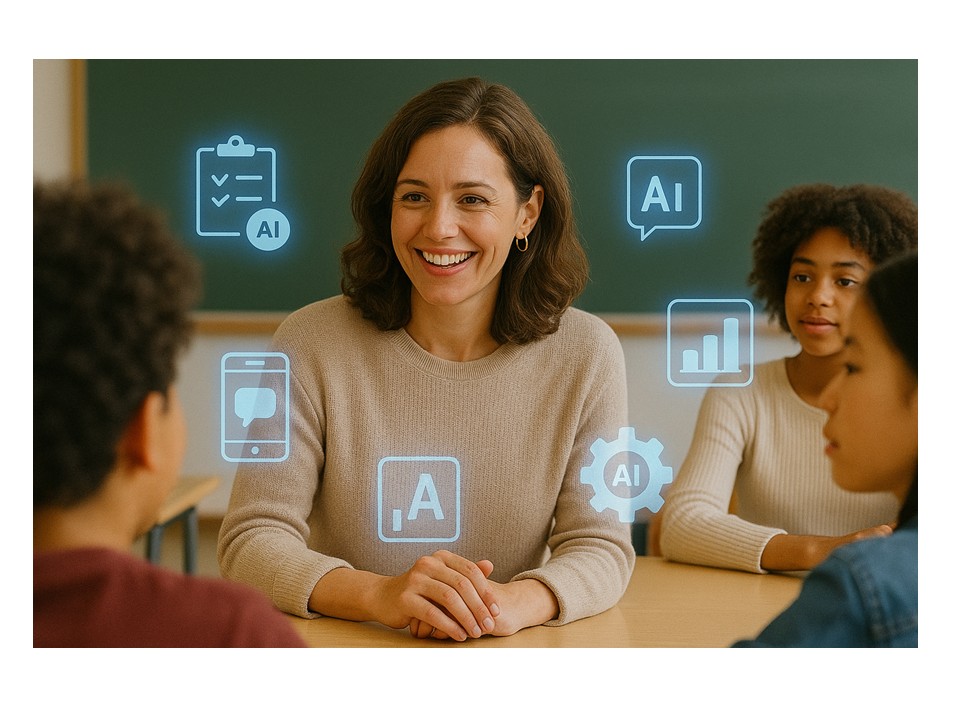
By embracing these innovations thoughtfully, schools can create more time for the human connections that define great teaching. The future of education is not just smart, it’s balanced, where technology does the heavy lifting and teachers do what they do best: inspire, guide, and connect.
About the Author:
Emily Walker is a Senior Content Writer with expertise in education technology, AI in education, modern education trends, SaaS, and digital innovation. With years of experience producing clear and engaging content, she focuses on delivering practical insights that connect with readers and support thought leadership in the industry.
 Online Education and EdTech