
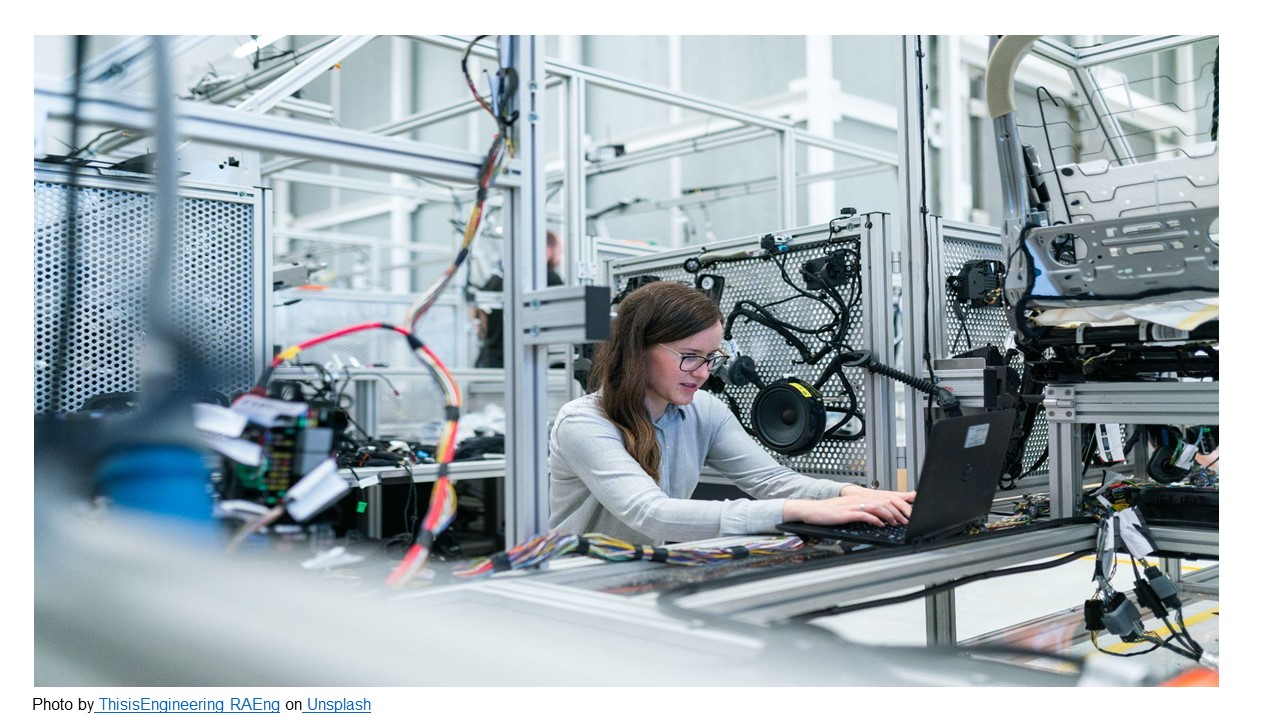
Science, technology, engineering, and math (STEM) fields have traditionally been dominated by men, and women working in these fields confront several challenges and impediments. The need to challenge gender stereotypes in STEM settings has become increasingly important as the need of gender equality and diversity has become more generally acknowledged. This article will discuss the challenges that women face in STEM, the importance of diversity in the sector, and strategies for creating a more inclusive and equitable STEM workplace.
Obstacles for women in STEM
Due to a combination of societal and cultural constraints, women have historically had lower than average representation in STEM areas. These issues might include a lack of support and motivation, inadvertent prejudice, and preconceived notions that STEM jobs are just for males. A lack of diversity in the workforce is partly a result of many STEM disciplines’ unwillingness to adapt to the changing cultural milieu. The lack of diversity in STEM professions has real-world implications. For example, studies have shown that women are less likely than males to acquire financing for research projects, and when they do, it is typically at a lower level. Furthermore, when compared to other industries, women in STEM subjects are more likely to face harassment and discrimination.
The value of diversity in STEM
The lack of diversity in STEM professions has broader implications for society as a whole, in addition to having an influence on the individual women working in these industries. According to research, diverse teams are more creative and successful than homogeneous teams, and diversity may increase problem-solving and decision-making. There is a moral need to create a more just and equitable society, in addition to the benefits of variety in terms of creativity and effectiveness. By challenging gender norms in STEM fields and working to promote more diverse and inclusive workplaces, we may help to overcome structural imbalances and build a more just and equitable society for all.
Methods for making a STEM workplace more inclusive
STEM workplaces may use a range of strategies to build a more diverse and equitable work environment. Among these strategies are:
Provide guidance and assistance to female students majoring in STEM-
Many women in STEM fields report feeling alone or unsupported, particularly in occupations where men predominate. Mentoring and support may help ease these sentiments by providing women with the tools and resources they need to succeed.
Addressing unconscious prejudice- Unconscious prejudice is a significant barrier to diversity in STEM areas. Unconscious prejudice may be addressed via training and education to create a more inclusive and equitable workplace.
Making rules that are family-friendly
Women are usually expected to do the majority of caregiving chores, which may make balancing work and family life difficult. This issue may be addressed and made easier for women to pursue careers in STEM fields by instituting family-friendly policies such as flexible work hours, paid parental leave, and on-site daycare.
Celebrating diversity
Diversity celebrations and inclusivity activities can help to create a more welcoming and encouraging workplace environment. This may be accomplished in a variety of ways, including publicizing the achievements of women and other underrepresented groups, establishing diversity and inclusion committees, and developing cultural competency among staff members.
Equitable possibilities for professional advancement
Despite having the necessary degree and experience, women in STEM fields are regularly overlooked for promotions and leadership roles. Equal career advancement opportunities can aid in resolving this issue and fostering a more equal workplace.
Promoting female STEM education
Promoting STEM education for girls is one of the most effective techniques for combating gender stereotypes in women tech jobs. We can help close the gender gap in STEM disciplines by encouraging girls to pursue STEM fields of study and providing them with the necessary skills and tools. Access to robotics clubs, coding workshops, and other STEM-related activities, as well as mentoring and role modeling from successful women in STEM disciplines, may all help. Schools and other organizations may also aim to promote a more welcoming and inclusive environment for females in STEM by addressing stereotypes and prejudices, showcasing female STEM role models, and giving chances for girls to explore their interests in STEM subjects.
Male allies encouraged in the workplace
While assisting women has garnered a lot of attention in the fight against gender stereotypes in STEM fields, assisting male allies in the workforce is as important. Male supporters may help create diversity and inclusion in STEM disciplines by speaking out against sexism and discrimination, mentoring and supporting women in STEM fields, and fighting for workplace policies that promote work-life balance and parental leave. By building an allyship culture in the workplace, we can work together to create a more fair and inclusive STEM community that benefits everyone. Men may also examine their own biases and misconceptions about gender roles and strive to create an inclusive working environment for all employees, regardless of gender.
Conclusion
To summarize, gender preconceptions in STEM fields must be challenged in order to build a more varied, innovative, and equitable workplace. We can work together to create a new norm in STEM that benefits everyone by supporting male allies in the workplace, promoting STEM education for females, and implementing diversity and inclusion promotion strategies. It is our joint obligation to create a more just and equitable society, and breaking down gender stereotypes in
About the Author: This is an invited post from Lena. “Lena is committed to showcasing the valuable contributions that women make to the technology industry and actively encourages more women to pursue fulfilling careers in tech.”
 Online Education and EdTech